Mud
Statement
Mud n 1 a fine-grained soft wet deposit; hard ground from drying of area.2 slander or defamation, disgraced or discredited, drag (someone’s) name in the mud.3 clear as mud. 4 here’s mud in your eye. 5 meaning, ‘bad’ coffee, opium or heroin.6 to soil or cover with mud, mudding, mudded.
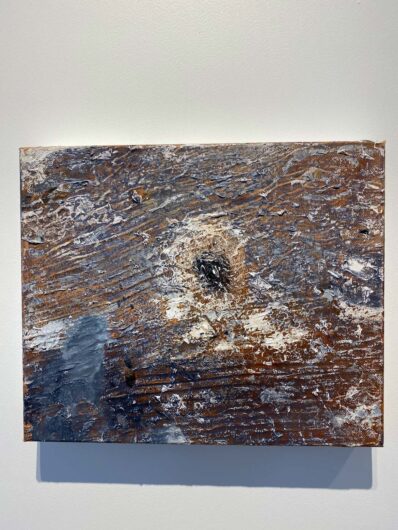
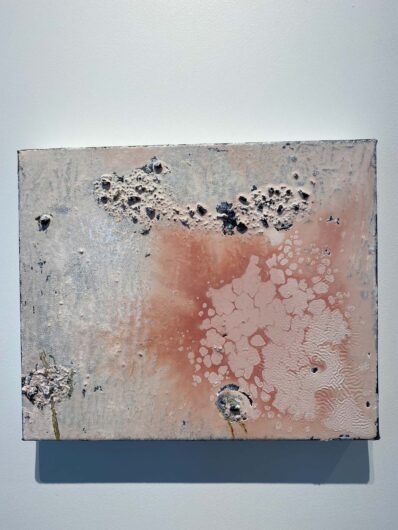
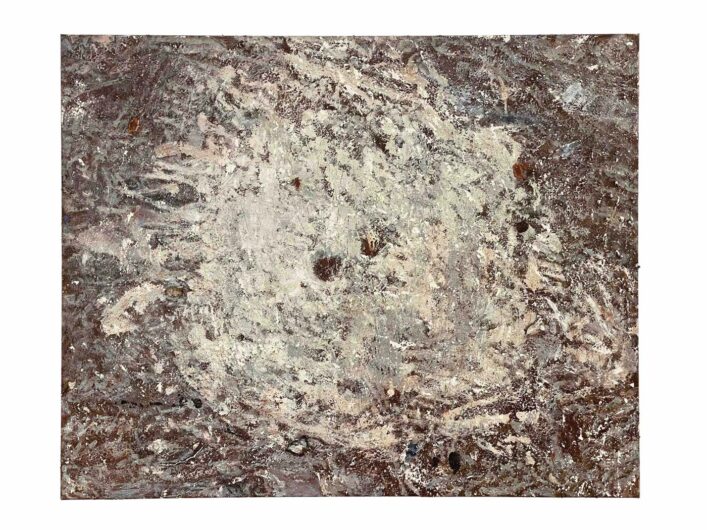
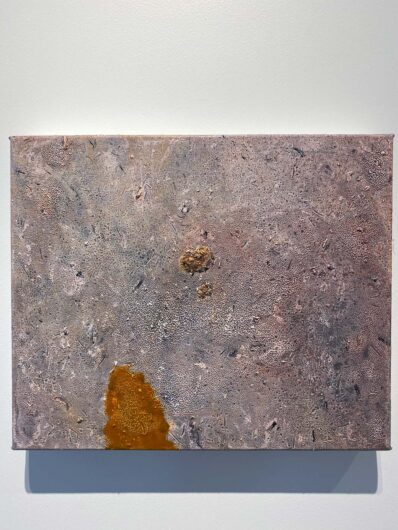
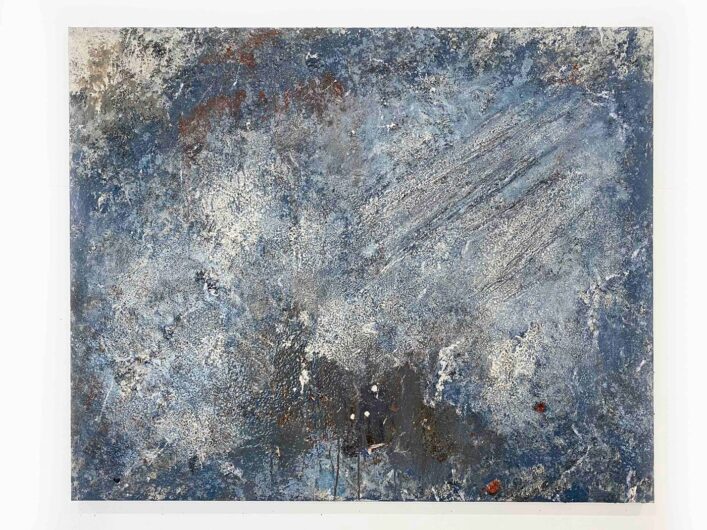
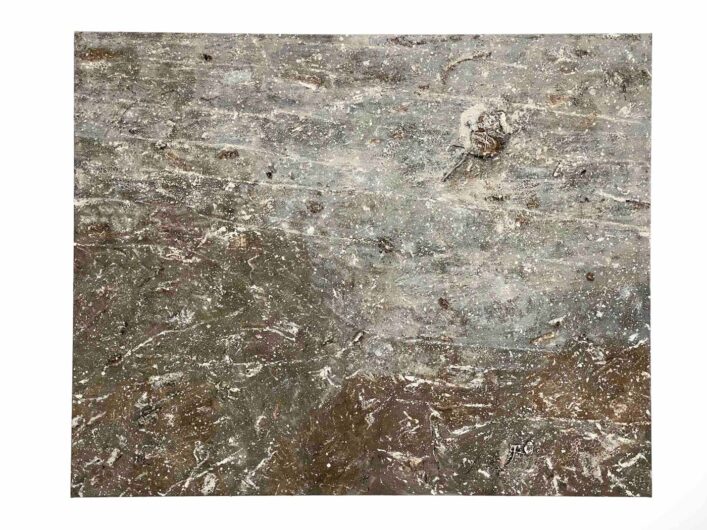
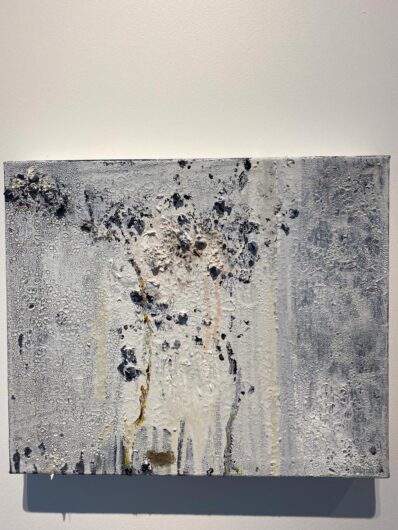
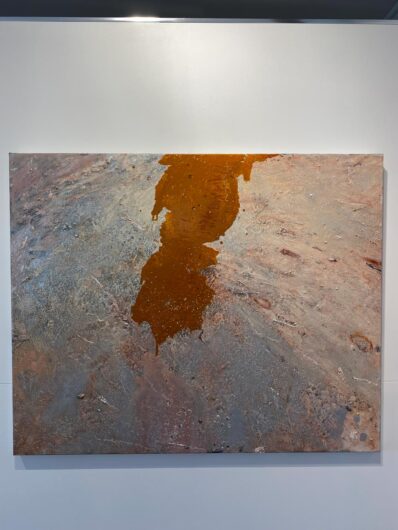
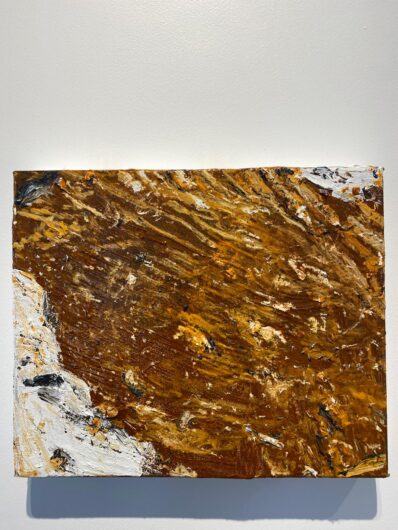
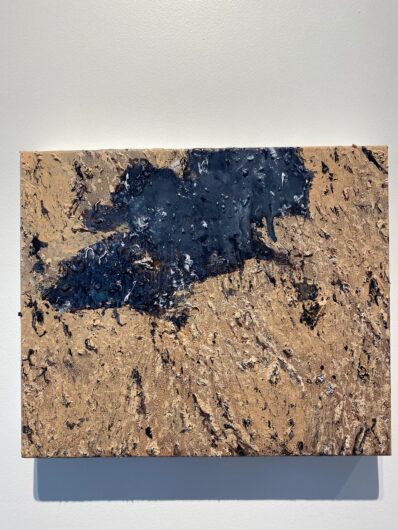
This series of paintings are based on the Mallee and its ecological sustainability and is viewed through the region’s boinkas (salt-pan or shallow groundwater depressions) that, occasionally brim with water, ‘but generally (are) dry and glittered with salt rime and edged with gypsum shards and muddy sand’ (Carter, 2010, 71).
The boinkas are largely the result of remnant surfical salt crusting from an ancient inland sea, but more recent clearing of adapted indigenous flora, (Eucalyptus Dumosa, pines and casuarinas, heath, saltbush and spinifex), for dryland cropping, grazing, rabbit and mice plagues and the gradual incursions of irrigated horticulture, have seen these ubiquitous environments undergo further stress.
The new series builds on earlier painting-based exhibitions, Of tracks and traces: works of Fletchers Lake, 1989 and The sum of all elements and the existence of the whole, more works of Fletchers Lake, 1993, where the earth’s skin and biota reveal the cycles of inscribed human impact in conjunction with the scars inflicted by the forces of nature itself.
In this third (and final) series of works on this subject, all references to life sustaining water, however oblique, are gone and the primal mud has turned to apocalyptic sludge. The scarified surfaces are etched and incised, wounds that seep from fissures beneath the skin or just openly bleed. In these works we are reminded of the remnants (either human, animal or vegetable) of life in our threatened natural world. Neil Fettling.
Categorised in: All works, In footer
This post was written by Alex Fettling